The Day the Sea Called Back
Overcoming the impossible through sheer will and innovation
The true story of the "Dunkirk Little Ships" (1940), focusing on the civilian sailors who crossed the English Channel to rescue stranded soldiers.
There are moments in history when the map is not enough. When the compass spins, the engine sputters, and the horizon looks less like a destination and more like a wall. In those moments, something else takes over. It’s not just courage; it’s the raw, unpolished Frontier Spirit—the refusal to leave a fellow human being behind.
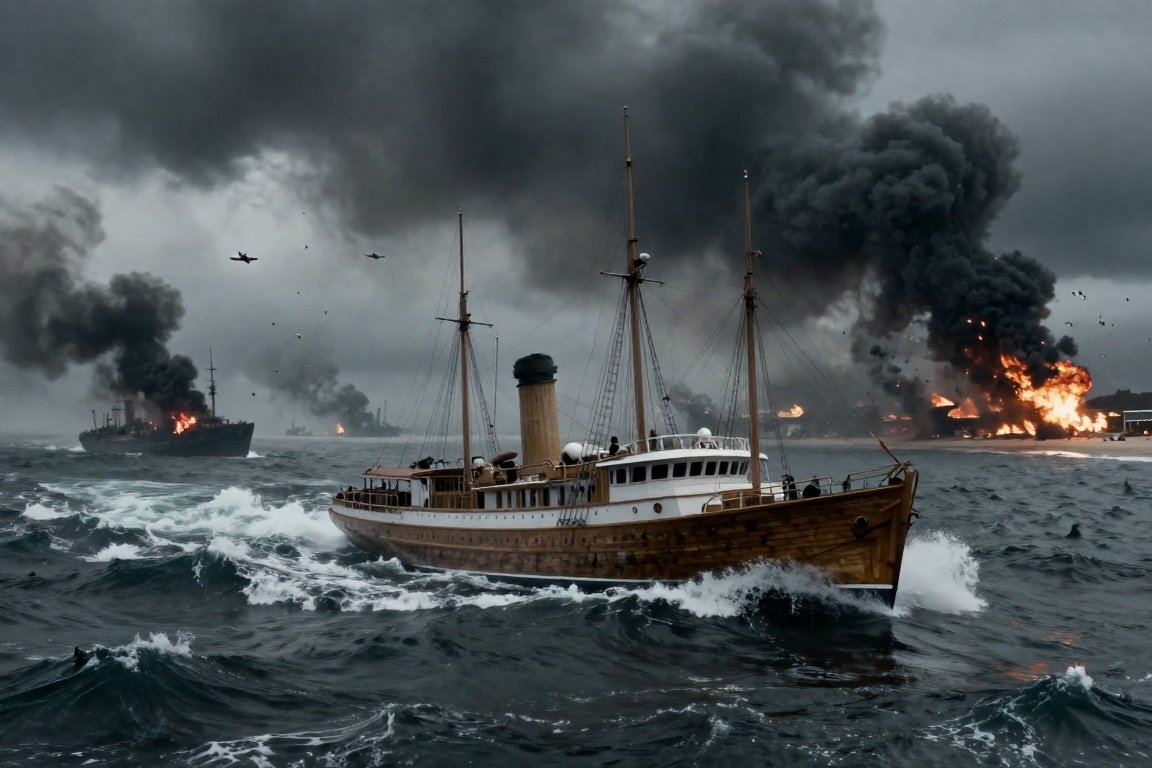
Let’s rewind to the late spring of 1940. The beaches of Dunkirk, France. The air is thick with smoke, the roar of artillery echoing like a distant thunderstorm. Nearly 400,000 Allied soldiers are trapped, backs to the sea. The big warships can’t get close enough; the water is too shallow. Hope is starting to evaporate under the grey sky.
But here’s the thing about frontiers: they belong to the bold. Back in England, a call goes out. Not for battleships, but for pleasure yachts, fishing trawlers, and little wooden ferries. Boats that could skim the surface and slip right up to the shore.
Enter our protagonist, let’s call him Arthur. A middle-aged boatyard owner from Ramsgate with calloused hands and a heart bigger than his bank account. His boat, the Sunrise, is his pride and joy—a 40-foot motor yacht he’s spent a decade polishing.
When the navy requisitions his boat, Arthur does something unexpected. He doesn’t hand over the keys and walk away. He looks the officer dead in the eye and says, "If she’s going into that fire, I’m taking her in myself."
That’s the moment. That’s the dialogue that changes everything.
The Dramatic Event:
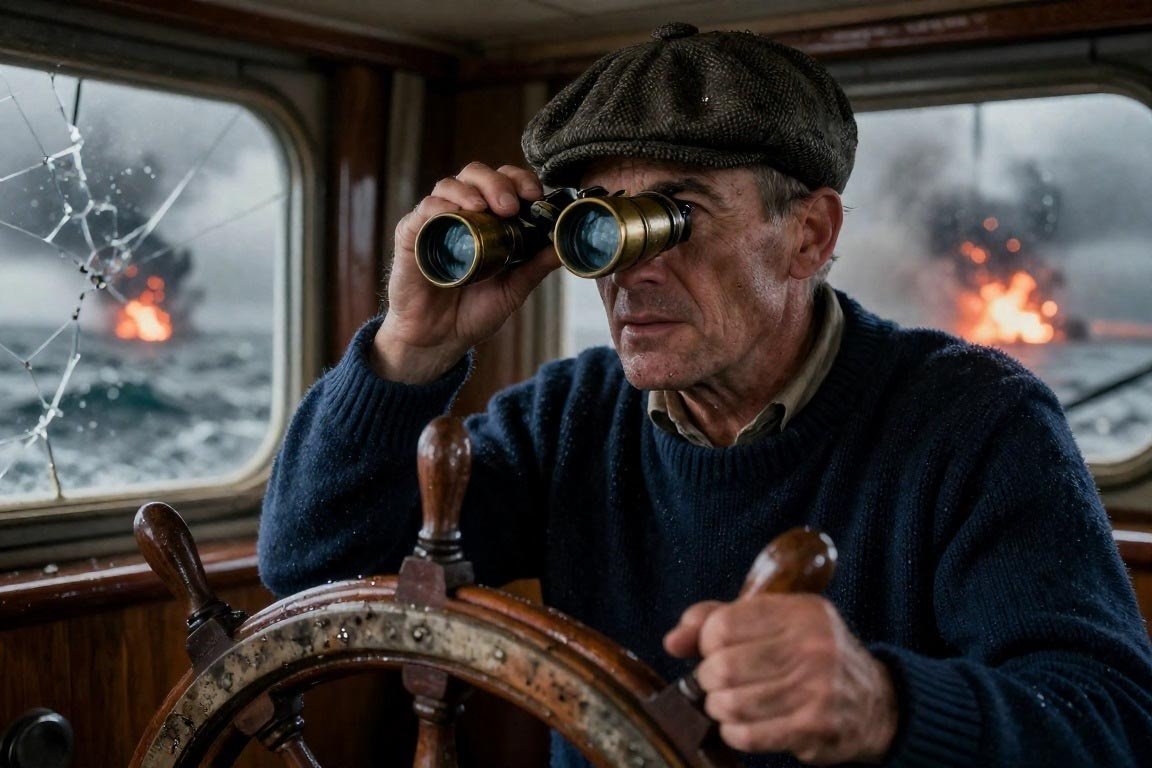
Arthur joins a flotilla of over 800 civilian boats. The Channel is not calm; it’s a churning mess of black water and enemy planes. As they approach Dunkirk, the Sunrise is strafed by a German fighter. The wheelhouse shatters. Arthur’s first mate, a 17-year-old boy named Thomas, is hit by flying glass. Blood on the deck. Panic sets in.
Thomas screams, "We have to turn back, Arthur! We’re not soldiers!"
Arthur, gripping the splintered wheel, yells over the wind, "They’re not soldiers either, lad! They’re bakers and teachers and fathers! Grab that bucket and keep us afloat!"
That moment of terror, followed by that surge of stubborn grit, is the heartbeat of the story. Arthur doesn’t just rescue soldiers; he rescues a young French soldier who is too terrified to wade into the water. Arthur jumps into the shallows himself, bullets pinging off the water around him, and physically carries the boy onto the boat.
By the end of that week, the Sunrise brings home over 120 men. The "Little Ships" of Dunkirk saved more than 300,000 lives.
The Footprint:
Arthur’s story reminds us that the Frontier Spirit isn’t about conquering new lands; it’s about conquering the fear inside ourselves. It’s about looking at a broken, bloody situation and saying, "I’m still here. I’m still moving." When the sea calls, you don’t have to be a hero. You just have to be willing to get your feet wet.
Copyright 2026· All rights reserved